
P-172: Unity: Space Environment: Part 22
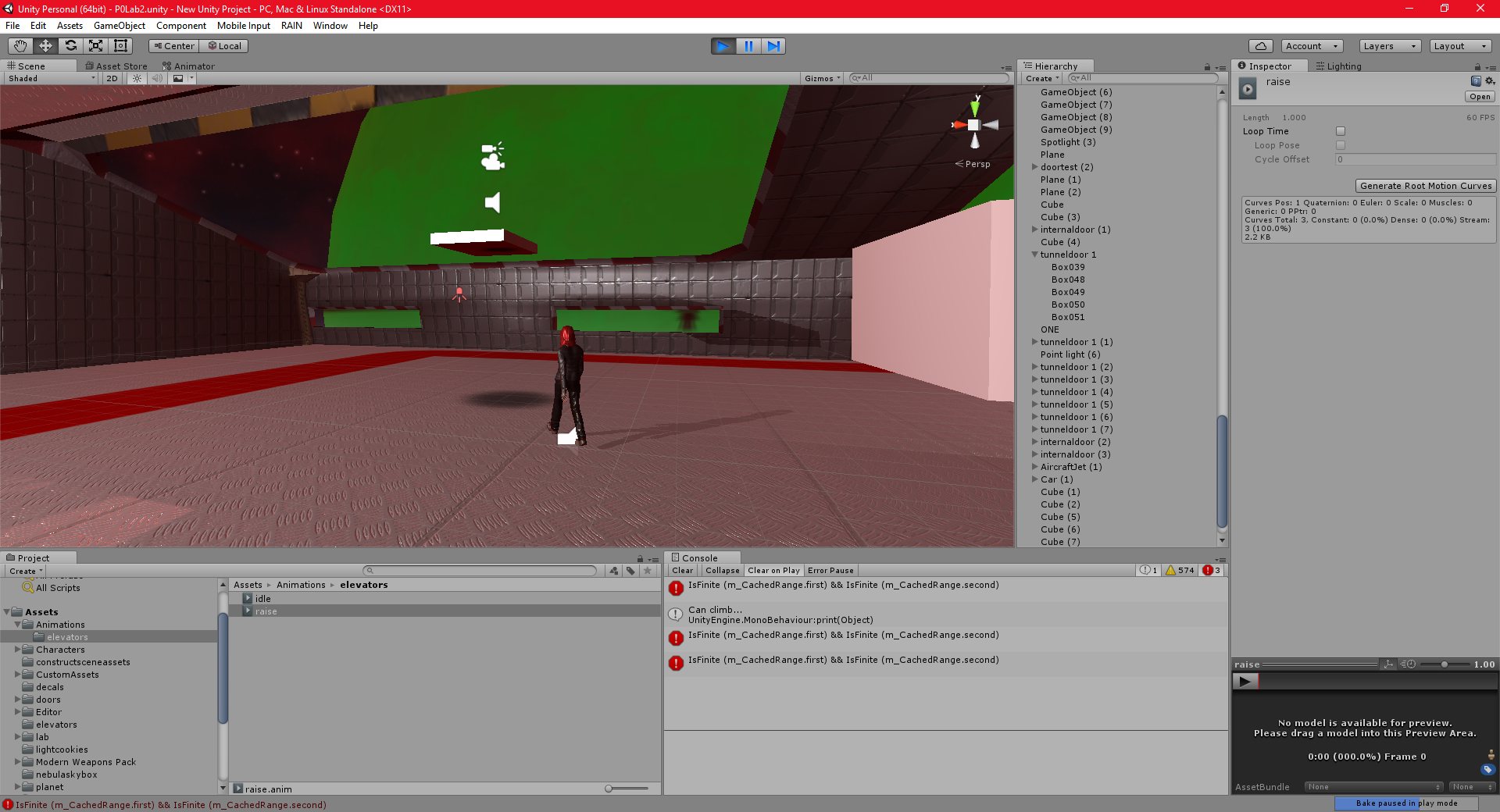
Elevators/Moving Platforms, like Doors, are not a drop in asset in Unity. However, implementing these is easy. I simply animated the platform using Unity’s built in animation suite, and then made sure that the player and the AI character both had “rigid body” physics object added, which meant that when they stood on the elevator the moved along with it.
I am learning a lot about the Unity style of programming. It is quite different from T3D, and it has taken me a little longer to do fairly simple things that it would have taken in T3D. However, it is a very nice, very efficient system, and I am picking it up fast.
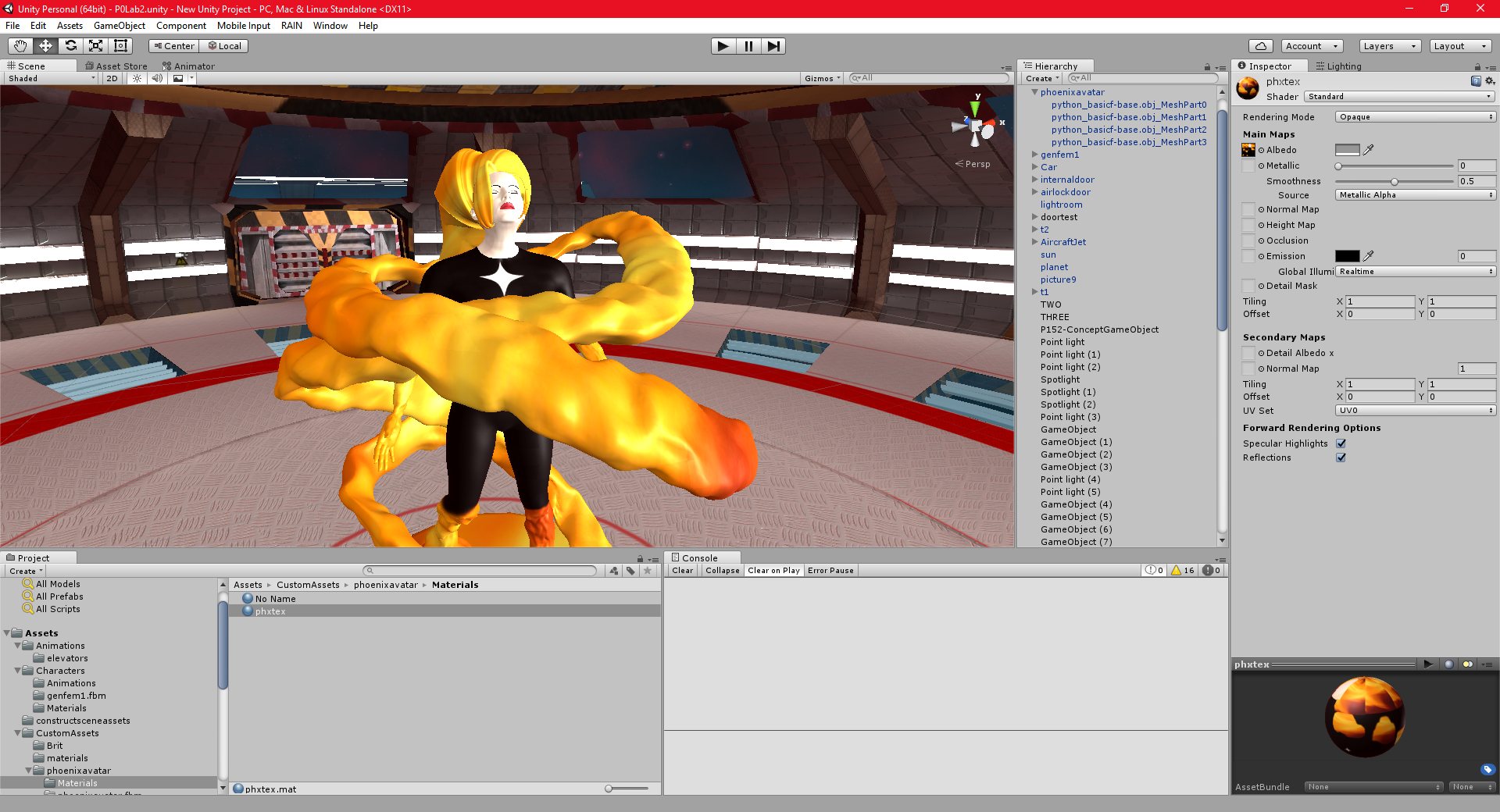
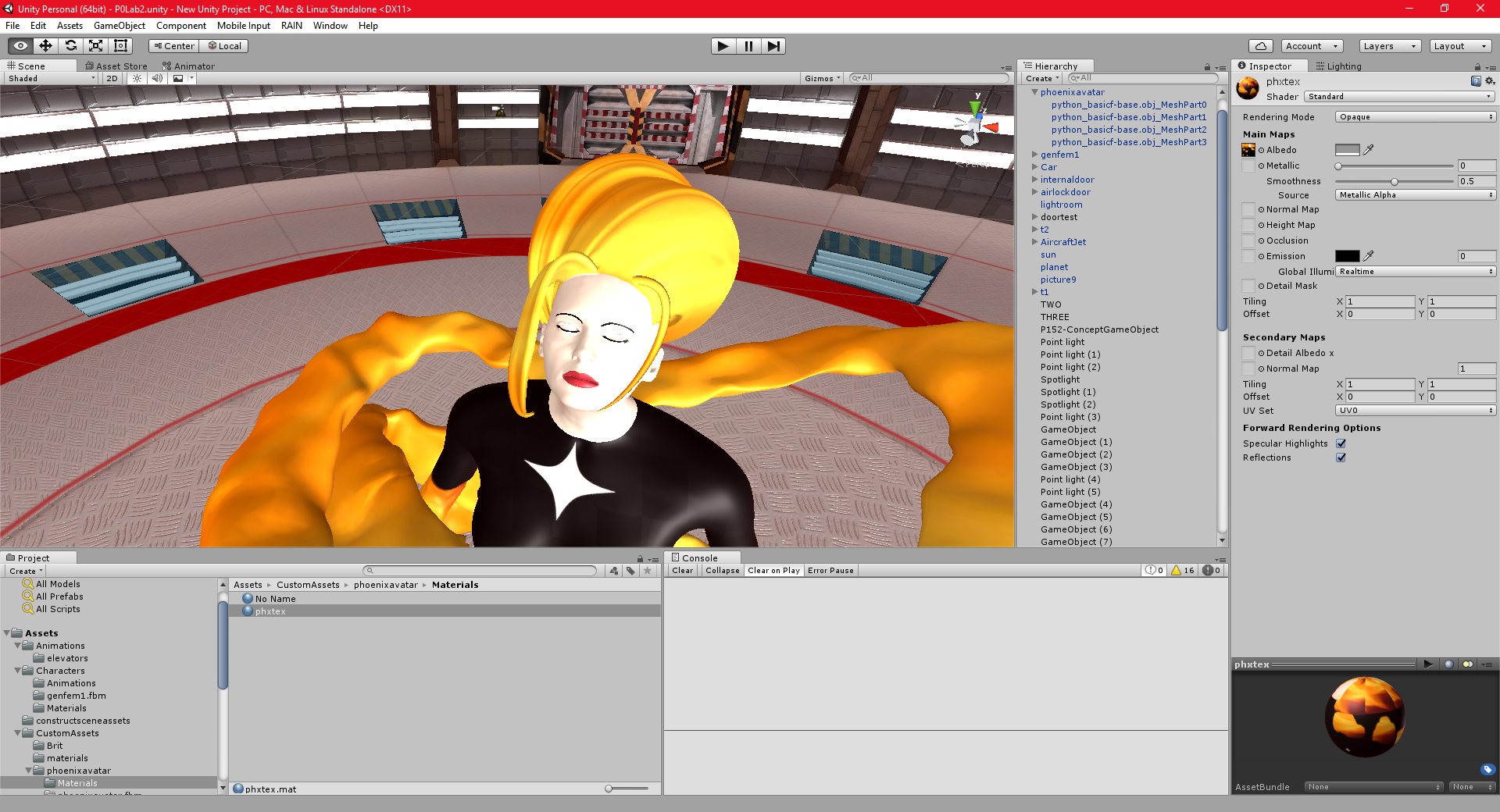
I have also managed to get my Phoenix Avatar model from P-168 into Unity. I had problems with this before to it’s huge poly count. I tried optimising it, but that seemed to ruin the texture of the model. I found another, much simpler, way to reduce the polygon count significantly, which worked great.
I have basic Voice Command recognition now working as well! I hadn’t intended to do very much with AI or Virtual Reality at this stage of the process, however I did some research into it, and it seemed relatively simple, so I implemented it in a few hours. It seems to work very well so far. The Oculus Rift has a built in Microphone, and of course, typing commands in virtual reality is not really an option, so I think Voice Recognition should be an integral part of this project.
18/10/2016 , 08:45:59 PM
Unity Personal (64bit) – P0Lab2.unity – New Unity Project – PC, Mac & Linux Standalone

18/10/2016 , 08:49:48 PM
Unity Personal (64bit) – P0Lab2.unity – New Unity Project – PC, Mac & Linux Standalone
20/10/2016 , 12:08:50 AM
Unity Personal (64bit) – P0Lab2.unity – New Unity Project – PC, Mac & Linux Standalone
20/10/2016 , 12:08:31 AM
Unity Personal (64bit) – P0Lab2.unity – New Unity Project – PC, Mac & Linux Standalone
![Spiritus Astrum [P0-EA1]: p1676: Early Access](https://i.imgur.com/IXVMUFo.jpeg "Spiritus Astrum [P0-EA1]: p1676: Early Access")

![Spiritus Astrum [P0-EA1]: p1675: Early Access](https://i.imgur.com/sGTgy9I.jpeg "Spiritus Astrum [P0-EA1]: p1675: Early Access")